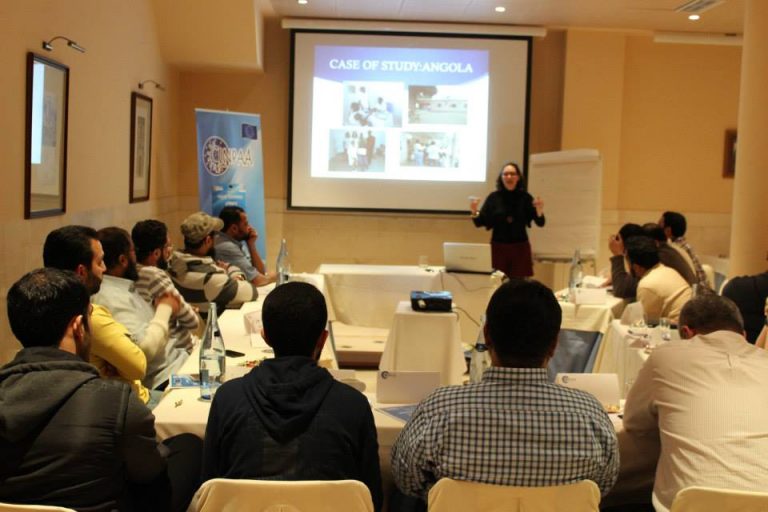
This programme gives employees a clear, practical understanding of digital transformation and their role in making it succeed. It explains how digital services, data and new technologies change everyday work, and equips participants to adopt new tools confidently, work securely and contribute to their organisation's digital goals.
Programme objectives
Developing participants’ skills, knowledge, values and professional approaches in:
Explain the core concepts of digital transformation and why organisations pursue it.
Identify how digital services, data and automation change daily work and roles.
Apply practical digital collaboration and productivity tools in routine tasks.
Recognise key cybersecurity and data-protection responsibilities of every employee.
Contribute actively to digital initiatives and support colleagues through change.
Target audience
Government and public-sector employees
Information systems and IT managers
Energy and oil sector staff
Administrative and technical teams
Team leaders supporting digital change
Programme topics
Digital transformation essentials for every employee
What digital transformation is and what it is not
Why organisations transform: service quality, efficiency and resilience
Common myths and fears about digital change
Examples of digital transformation in government and the energy sector
Digital services and redesigned work processes
From paper-based procedures to end-to-end digital workflows
How e-services change the customer and employee experience
Simplifying processes before automating them
Practical exercise: mapping a routine procedure and its digital version
Data and digital tools in everyday work
Why data quality matters and how employees affect it
Sharing information through secure digital platforms
Collaboration, document management and productivity tools
Using generative AI assistants responsibly for drafting and summarising
Reading simple dashboards to support decisions
Cyber hygiene and data protection
Recognising phishing, social engineering and suspicious requests
Strong authentication, passwords and device security
Handling sensitive and personal data correctly
Reporting incidents quickly and to the right channel
Adoption, digital skills and personal action plan
How employees can drive successful adoption of new systems
Building digital skills through continuous learning
Supporting colleagues and giving feedback on digital services
Preparing a personal digital action plan for the workplace
Learning outcomes
Describe the organisation's digital transformation goals and their own role in them.
Use digital collaboration tools and AI assistants safely and effectively at work.
Prepare a personal action plan to build digital skills and support adoption in their team.
Certificates
On successful completion, participants receive a certificate issued by CINPAA, a training institute officially registered in the European Union, Spain and the United Kingdom.
Our programmes are delivered within academic and professional partnerships, cooperation agreements and memoranda of understanding with a number of academic and professional institutions, including:
Camilo José Cela University – Spain
ISDE – Law & Business School – International
Professional Development Institute – United Kingdom
These partnerships aim to exchange expertise, develop training content and raise programme quality in line with international best practice.
Available dates and cities
Dates and destinations are subject to confirmation after your request is reviewed.